Hermann's Tortoise
Testudo hermanni
Mediterranean tortoise from southern Europe. Strict herbivore — no fruit or animal protein. Prefers Mediterranean-style wild plants, high-fiber diet, warm basking spot (95–105°F). Brumates October–March.
Care at a glance
Habitat
terrestrial
UVB
Required
Diet
herbivore
Adult size
7"
shell length
Lifespan
50 yrs
in captivity
Brumation
Oct, Nov, Dec, Jan, Feb, Mar
Food safety
120 foods checkedAcorn Squash
vegetableWeekly
Butterhead Lettuce
leafy greenTreat only
Violet Leaves
plant2–3×/week
Cucumber
vegetableTreat only
Ribwort Plantain
plantCan be offered several times per week as part of a varied diet; avoid feeding as the sole or dominant food source over extended periods.
Sow Thistle
plantOffer 2-3 times per week at most, mixed with other low-oxalate weeds and leafy greens to balance nutritional intake.
Green Beans
vegetableWeekly or less
White Clover
plantOffer occasionally as a component of a mixed wild-plant diet, no more than 1–2 times per week in small amounts alongside lower-phytoestrogen plants.
Radicchio
leafy green2–3×/week

Apple
fruitRarely; tiny piece a few times per year

Crickets
proteinDo not feed; Hermann's tortoises are strict herbivores

Beet Greens
leafy greenAvoid; only trace amounts occasionally if at all

Earthworms
proteinDo not feed
Butternut Squash
vegetableWeekly
Petunia
vegetable2–3×/week
Stinging Nettles (dried or cooked)
plant2–3×/week
Arugula
leafy green2–3×/week max

Kale
leafy greenOnce per week maximum, small quantity.

Spinach
leafy greenVery rarely — once per month maximum, small amounts.

Swiss Chard
leafy greenOnce per week maximum, small quantity.

Strawberries
fruitVery occasional — one or two small pieces, once or twice per month.
Cilantro
vegetableWeekly
Marigold
vegetableDaily

Collard Greens
leafy green2–3 times per week maximum. Rotate with non-goitrogenic greens.

Mustard Greens
leafy green2–3 times per week maximum.

Turnip Greens
leafy greenOnce per week or less.

Romaine Lettuce
leafy greenOccasional — once or twice per week mixed in salad, not as the base.

Carrot
vegetableOnce per week, small piece. Carrot tops (greens) are safer than the root.
Common Daisy
vegetableDaily
Alfalfa
vegetableWeekly

Anacharis
plantAvoid

Blackberries
fruitRarely; 1–2 berries a few times per year

Broccoli
vegetableAvoid or only very rarely

Duckweed
plantAvoid

Fig
fruitRarely; very small piece a few times per year

Watermelon
fruitAvoid
Aquatic Turtle Pellets
supplementDo not feed

Bok Choy
vegetableAvoid or only very rarely in trace amounts

Feeder Fish
proteinDo not feed

Mealworms
proteinDo not feed

Pear
fruitRarely; tiny piece a few times per year

Sweet Potato
vegetableAvoid

Water Lettuce
plantAvoid

Bell Pepper
vegetableAvoid or only trace amounts occasionally

Blueberries
fruitRarely; 1–2 berries a few times per year

Mango
fruitAvoid

Papaya
fruitAvoid

Raspberries
fruitRarely; 1–2 berries a few times per year

Water Hyacinth
plantAvoid
Hawkweed
plant2–3×/week
Lamb's Quarters
plantOffer only occasionally as a very small portion of a varied salad — no more than once every 2–3 weeks and in small quantities relative to low-oxalate greens.
Red Clover
plantOffer occasionally as a minor component of a varied diet, no more than once or twice per week in small amounts alongside lower-oxalate, calcium-rich weeds.
Pansy
vegetableWeekly
Basil
vegetableWeekly
Dill
vegetableWeekly
Parsley
vegetableWeekly at most
Cleavers
plant2–3×/week
Hawthorn Leaves
plant2–3×/week
Boston Fern
plantCress
vegetable2–3×/week
Jerusalem Artichoke
vegetableWeekly or less
Cantaloupe
vegetableRarely / once a month or less
Purslane
plantOccasional treat only — no more than once every 2–3 weeks in small quantities, alongside high-calcium greens to help offset oxalate effects.
Henbit
plant2–3×/week
Figs
fruitOnce or twice monthly
Honeysuckle
vegetableWeekly
Prickly Pear Fruit
fruitMonthly or less

Broadleaf Plantain
plantStaple — use freely in rotation with dandelion.

Endive
leafy greenStaple — include freely in rotation.
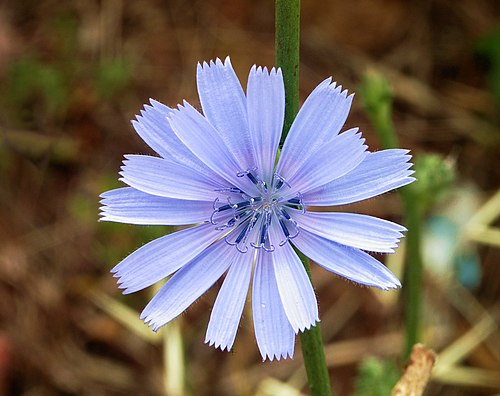
Chicory
leafy greenOffer 2–3 times per week.
Opuntia Cactus Pads
vegetableOffer 2–3 times per week.

Rose Petals
flowerOccasional treat. Pesticide-free only.

Mulberry Leaves
plantOffer occasionally — up to twice per week.

Watercress
leafy greenOffer 2–3 times per week, mixed with other greens.

Dandelion Greens
leafy greenStaple — offer freely as part of the daily salad mix.

Ribwort Plantain
plantStaple — offer freely.
Escarole
leafy greenStaple — offer freely.

Clover
plantOffer freely as part of a varied wild-plant mix.
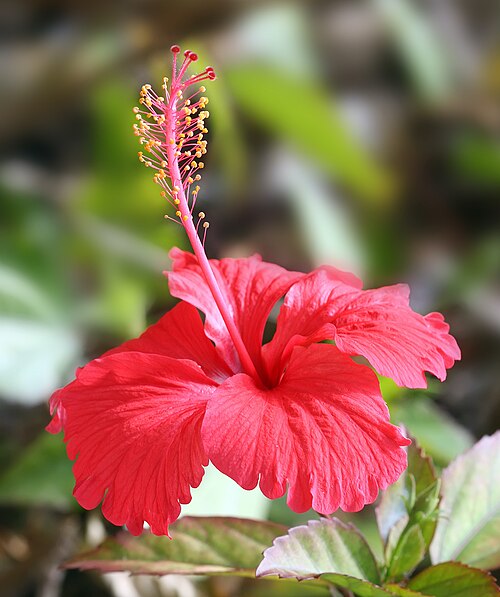
Hibiscus Flowers
flowerTreat / enrichment — a few flowers 1–2 times per week.

Grape Leaves
plantOffer occasionally. Leaves only — not the grapes.
Nasturtium
vegetable2–3×/week
Common Mallow
plantDaily
Geranium
vegetable2–3×/week
Lamb's Lettuce
leafy greenDaily
Snake Plant
plantNone — should not be offered at any quantity.

Foxglove
plantZZ Plant
plantnull
Tilapia
proteinNone — should never be offered
Bell Peppers
vegetablePeach
fruitGrapes
fruitPothos
plantShould not be offered at any quantity; remove from tortoise enclosures entirely.
Philodendron
plantNone — should be completely avoided and excluded from the enclosure.
Peace Lily
plantShould not be offered at any quantity — avoid entirely.
Frozen Bloodworms
proteinAvoid

Buttercup
plantNeon Pothos
plantNone — this plant should not be offered at any quantity.
Jade Plant
plantNone — avoid entirely
Dracaena
plantShould not be offered at any quantity; avoid entirely.
Dieffenbachia
plantNone — no amount is considered safe; complete avoidance is required.

Rhubarb
vegetableChinese Evergreen
plantNone — avoid completely
Wood Sorrel
plantShould not be offered; avoid entirely rather than treating as an occasional food.
Rubber Plant
plantnull
Monstera
plantShould not be offered at any quantity; avoid entirely.
Persimmon
fruitAvoid
Waxworms
proteinAvoid
Silkworms
proteinAvoid
Garden Snails
proteinAvoid
Tubifex Worms
proteinAvoid
Dubia Roaches
vegetableAvoid
Aloe Vera
plantShould not be offered at all; no safe quantity has been established for this species.

Avocado
fruitBanana
fruit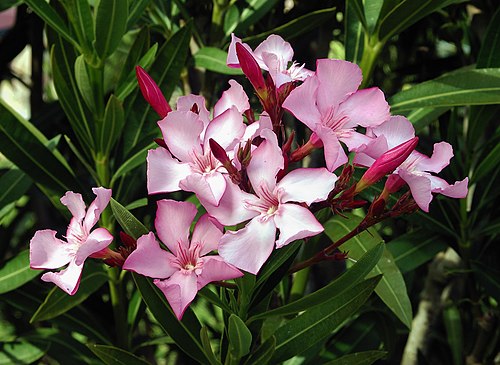
Oleander
plant
Daffodil
plant
Nightshade
plantSpider Plant
plantElodea
vegetableAvoid
Hornwort
vegetableAvoid
Setting up for a Hermann's Tortoise?
Vetted gear picks in one place.
Weekly feeding schedule
Auto-generate a meal plan.
Basking is here to help you learn — it isn't veterinary advice. For anything specific to your animal, talk to a qualified exotic-animal vet.