Sulcata Tortoise
Centrochelys sulcata
African spurred tortoise — the third largest tortoise species. Strict high-fiber grazer; diet should be 80%+ grass/hay. No brumation. Requires very low humidity, hot basking spot. Adult size up to 100+ lbs. Very long lived.
Care at a glance
Habitat
terrestrial
UVB
Required
Diet
herbivore
Adult size
30"
shell length
Lifespan
70 yrs
in captivity
Food safety
117 foods checkedJerusalem Artichoke
vegetableMonthly or less
Henbit
plant2–3×/week
Hawkweed
plant2–3×/week
Hawthorn Leaves
plant2–3×/week
Green Beans
vegetableWeekly or less
Radicchio
leafy green2–3×/week
Acorn Squash
vegetableMonthly or less
Butternut Squash
vegetableMonthly or less
Butterhead Lettuce
leafy greenTreat only
Arugula
leafy greenWeekly or less
Cucumber
vegetableTreat only
Violet Leaves
plant2–3×/week

Beet Greens
leafy greenAvoid
White Clover
plantOffer as a supplemental forage item 2-3 times per week, not as the primary food source; rotate with other grasses and broadleaf weeds.
Marigold
vegetable2–3×/week
Geranium
vegetable2–3×/week
Common Daisy
vegetableDaily
Stinging Nettles (dried or cooked)
plant2–3×/week

Kale
leafy greenOnce per week maximum, very small amount. Not a staple.

Spinach
leafy greenAvoid or absolute maximum once per month, tiny amount.

Broccoli
vegetableOnce per week maximum, small amount.

Watermelon
fruitAvoid or once monthly maximum.
Cilantro
vegetableWeekly

Collard Greens
leafy green1–2 times per week, small portion alongside hay.

Mustard Greens
leafy green1–2 times per week, small amount.
Petunia
vegetable2–3×/week
Pansy
vegetableWeekly
Alfalfa
vegetable2–3×/week
Aquatic Turtle Pellets
supplementDo not feed

Blackberries
fruitAvoid

Butternut Squash
vegetableAvoid or extremely rare trace amount

Anacharis
plantAvoid

Blueberries
fruitAvoid

Carrot
vegetableAvoid

Duckweed
plantAvoid

Feeder Fish
proteinDo not feed

Mealworms
proteinDo not feed

Romaine Lettuce
leafy greenAvoid

Apple
fruitAvoid; fruit is not appropriate for Sulcata tortoises

Bell Pepper
vegetableAvoid

Bok Choy
vegetableAvoid

Earthworms
proteinDo not feed

Fig
fruitAvoid

Papaya
fruitAvoid

Raspberries
fruitAvoid

Sweet Potato
vegetableAvoid

Water Hyacinth
plantAvoid

Zucchini
vegetableAvoid

Crickets
proteinDo not feed; Sulcata tortoises are strict herbivores

Mango
fruitAvoid

Pear
fruitAvoid

Swiss Chard
leafy greenAvoid

Water Lettuce
plantAvoid
Lamb's Quarters
plantOffer only occasionally as a minor component of a varied diet — no more than once every 2–3 weeks and in small amounts mixed with low-oxalate greens.
Basil
vegetableWeekly
Dill
vegetableWeekly
Parsley
vegetableWeekly at most
Purslane
plantOffer only occasionally as a minor dietary component, no more than once or twice per month, and never as a staple green.
Honeysuckle
vegetableWeekly
Cleavers
plant2–3×/week
Boston Fern
plantCress
vegetableWeekly or less
Common Mallow
plantDaily

Dandelion Greens
leafy greenOffer 3–4 times per week as a supplement to hay.
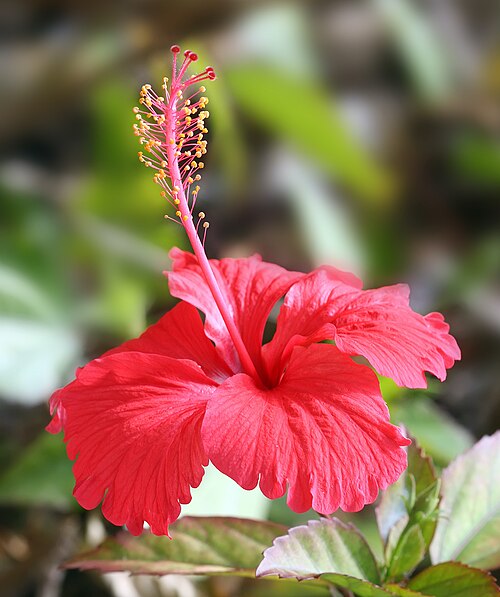
Hibiscus Flowers
flowerA few flowers 1–2 times per week.

Broadleaf Plantain
plantOffer as part of varied salad mix.

Mulberry Leaves
plantOffer 2–3 times per week.

Clover
plantOffer as part of a mixed grazing area.

Rose Petals
flowerOccasional treat. Pesticide-free only.

Endive
leafy greenSupplement to grass — a few times per week.
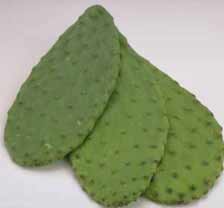
Opuntia Cactus Pads
vegetableOffer 2–3 times per week.

Timothy Hay
grainStaple — unrestricted access. Always available.

Bermuda Grass
plantStaple — graze freely in outdoor enclosures.

Orchard Grass Hay
grainStaple — mix with timothy hay for variety.

Grape Leaves
plantOffer 1–2 times per week. Leaves only.
Nasturtium
vegetableWeekly
Lamb's Lettuce
leafy green2–3×/week
Snake Plant
plantNone — should not be offered at any quantity
ZZ Plant
plantnull
Rubber Plant
plantShould not be offered at any quantity; avoid entirely.
Bell Peppers
vegetableGrapes
fruit
Foxglove
plant
Buttercup
plantWood Sorrel
plantShould be avoided entirely; no safe serving amount is established for Sulcata tortoises.
Philodendron
plantShould not be offered at any quantity; avoid entirely.
Peace Lily
plantShould not be offered at any quantity — avoid entirely.
Neon Pothos
plantnull
Monstera
plantShould not be offered; avoid entirely.
Jade Plant
plantNone — should not be offered at any quantity
Prickly Pear Fruit
fruitFrozen Bloodworms
proteinAvoid
Dieffenbachia
plantNone — zero tolerance; no safe quantity exists

Rhubarb
vegetableChinese Evergreen
plantShould not be offered at any quantity — considered toxic and must be avoided entirely.
Aloe Vera
plantShould not be offered at any quantity; avoid entirely.
Dracaena
plantNone — should be excluded from the diet entirely.
Pothos
plantShould not be offered at any quantity; remove from any enclosure accessible to the tortoise.
Persimmon
fruitAvoid
Waxworms
proteinAvoid
Figs
fruitAvoid
Cantaloupe
vegetableNever
Dubia Roaches
vegetableAvoid
Silkworms
proteinAvoid
Tilapia
proteinShould never be offered — not appropriate for any life stage of a sulcata tortoise.
Garden Snails
proteinAvoid
Tubifex Worms
proteinAvoid

Avocado
fruitBanana
fruitPeach
fruit
Strawberries
fruit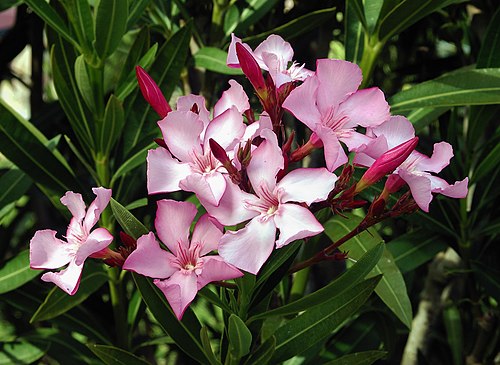
Oleander
plant
Daffodil
plant
Nightshade
plantSpider Plant
plantElodea
vegetableAvoid
Hornwort
vegetableAvoid
Setting up for a Sulcata Tortoise?
Vetted gear picks in one place.
Weekly feeding schedule
Auto-generate a meal plan.
Basking is here to help you learn — it isn't veterinary advice. For anything specific to your animal, talk to a qualified exotic-animal vet.