Eastern Box Turtle
Terrapene carolina
Terrestrial omnivore native to the eastern United States. Unique among common pet reptiles for natural mushroom tolerance. Diet is 50% animal matter (earthworms, insects, snails) and 50% plant matter (berries, greens, flowers). Brumates October–March. Requires outdoor habitat when possible.
Care at a glance
Habitat
terrestrial
UVB
Required
Diet
omnivore
Adult size
6"
shell length
Lifespan
35 yrs
in captivity
Brumation
Oct, Nov, Dec, Jan, Feb, Mar
Food safety
105 foods checkedDubia Roaches
vegetableDaily for juveniles; every other day for adults

Timothy Hay
grainNot recommended as food; use as substrate only

Turnip Greens
leafy greenOccasionally; part of varied greens mix

Bell Pepper
vegetableOccasional small piece as treat

Escarole
leafy greenSeveral times per week as part of varied greens

Papaya
fruitSmall piece once or twice per month

Swiss Chard
leafy greenRarely; small amount; rotate with low-oxalate greens

Watermelon
fruitSmall piece occasionally as treat

Zucchini
vegetableOccasional moderate serving
Boston Fern
plantHawkweed
plantWeekly
Hawthorn Leaves
plantWeekly
Violet Leaves
plantWeekly
Aquatic Turtle Pellets
supplementAvoid; use terrestrial tortoise-appropriate diet instead

Feeder Fish
proteinOccasionally; not more than once per week
Green Beans
vegetableWeekly
Peach
fruitMonthly or less
Radicchio
leafy green2–3×/week
Elodea
vegetableWeekly
Tubifex Worms
proteinWeekly
Figs
fruitWeekly or less
Jerusalem Artichoke
vegetableWeekly or less
Cress
vegetableWeekly
Parsley
vegetableWeekly at most
Dill
vegetableWeekly
Basil
vegetableWeekly
Persimmon
fruitRarely — once or twice per month at most
Honeysuckle
vegetableWeekly
Garden Snails
proteinWeekly or less
Waxworms
proteinOccasionally — no more than 2–3× per month
Hornwort
vegetableWeekly
Marigold
vegetableWeekly
Banana
fruitMonthly or less
Cucumber
vegetableWeekly or less
Bell Peppers
vegetableWeekly or less
Grapes
fruitMonthly or less
Arugula
leafy green2–3×/week
Butterhead Lettuce
leafy greenWeekly or less
Butternut Squash
vegetableWeekly
Acorn Squash
vegetableWeekly
Prickly Pear Fruit
fruitMonthly or less
Petunia
vegetableWeekly
Stinging Nettles (dried or cooked)
plant2–3×/week
Henbit
plantWeekly
Cleavers
plantWeekly
Cilantro
vegetableWeekly
Silkworms
protein2–3×/week

Spinach
leafy greenOnce per month maximum, very small amount.

Kale
leafy greenOnce per week maximum.

Mealworms
proteinOnce per week maximum, small amount. Not a primary protein source.

Beet Greens
leafy greenOccasionally, small amounts; not a staple

Bok Choy
vegetableNo more than once per week; not a staple

Broccoli
vegetableOccasional small amount; not more than once per week
Endive
leafy greenSeveral times per week as part of varied greens

Fig
fruitSmall amount once or twice per month as treat

Mango
fruitSmall piece once or twice per month

Pear
fruitSmall piece occasionally; not a staple

Pumpkin
vegetableOccasional moderate serving

Romaine Lettuce
leafy greenOccasional; not a primary green source

Crickets
proteinJuveniles: daily or every other day. Adults: 2–3 times per week.

Collard Greens
leafy greenAdults: 3–4 times per week. Juveniles: offer daily with protein.

Dandelion Greens
leafy greenOffer freely as part of the plant portion of the diet.

Mustard Greens
leafy green2–3 times per week for adults.

Strawberries
fruitOnce or twice per week, small amount — not to exceed 10% of total diet.

Blueberries
fruitOnce or twice per week, small amount.

Raspberries
fruitSeveral times per week, small quantity.

Blackberries
fruitSeveral times per week, small quantity.

Earthworms
proteinJuveniles (< 4 yr): daily or every other day. Adults: 2–3 times per week.

Carrot
vegetableA few times per week as variety.

Apple
fruitOnce per week, small piece.

Butternut Squash
vegetableOffer 2–3 times per week.

Sweet Potato
vegetableOnce or twice per week, small piece.
Pansy
vegetableWeekly
Lamb's Lettuce
leafy greenWeekly
Frozen Bloodworms
proteinWeekly
Nasturtium
vegetableWeekly
Apples
fruitA few slices 1–2 times per week.
Carrots
vegetableA few times per week as variety.
Cantaloupe
vegetableWeekly or less
Common Daisy
vegetableWeekly
Alfalfa
vegetableWeekly
Geranium
vegetableWeekly
Common Mallow
plantWeekly
Snake Plant
plantNone — avoid entirely
Peace Lily
plantNone — should not be offered at any quantity
Pothos
plantNone — avoid entirely; no safe quantity established for this species.
Wood Sorrel
plantShould be avoided entirely; not recommended even as an occasional treat due to oxalate toxicity risk.
Neon Pothos
plantNone — this plant should not be offered at any quantity.
Monstera
plantnull
Philodendron
plantNone — should be completely avoided and not offered at any quantity.
ZZ Plant
plantnull — should not be offered at any quantity
Jade Plant
plantNone — do not feed under any circumstances

Avocado
fruit
Rhubarb
vegetable
Nightshade
plant
Foxglove
plant
Daffodil
plant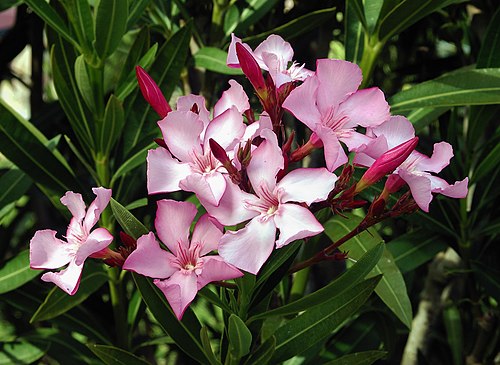
Oleander
plant
Buttercup
plantAloe Vera
plantNone — avoid entirely; no safe quantity has been established for this species.
Dieffenbachia
plantnull — no safe quantity; this plant should be fully excluded from the enclosure and diet
Dracaena
plantDo not offer; avoid all exposure.
Chinese Evergreen
plantShould not be offered at any quantity; avoid entirely.
Rubber Plant
plantNone — avoid entirely; no safe quantity established for this species.
Spider Plant
plantSetting up for a Eastern Box Turtle?
Vetted gear picks in one place.
Weekly feeding schedule
Auto-generate a meal plan.
Basking is here to help you learn — it isn't veterinary advice. For anything specific to your animal, talk to a qualified exotic-animal vet.